
Unearthing the Enigma: Strange Horticulture’s Sequel Elevates Antiquing to Puzzle Gaming Gold










Popular Now
 Minecraft
 Candy Crush Saga
 Toca Boca World
 League of Legends
 Free Fire Max
 Rust
Rust
 Free Fire
 Gacha Club
 Among Us
 Poppy Playtime
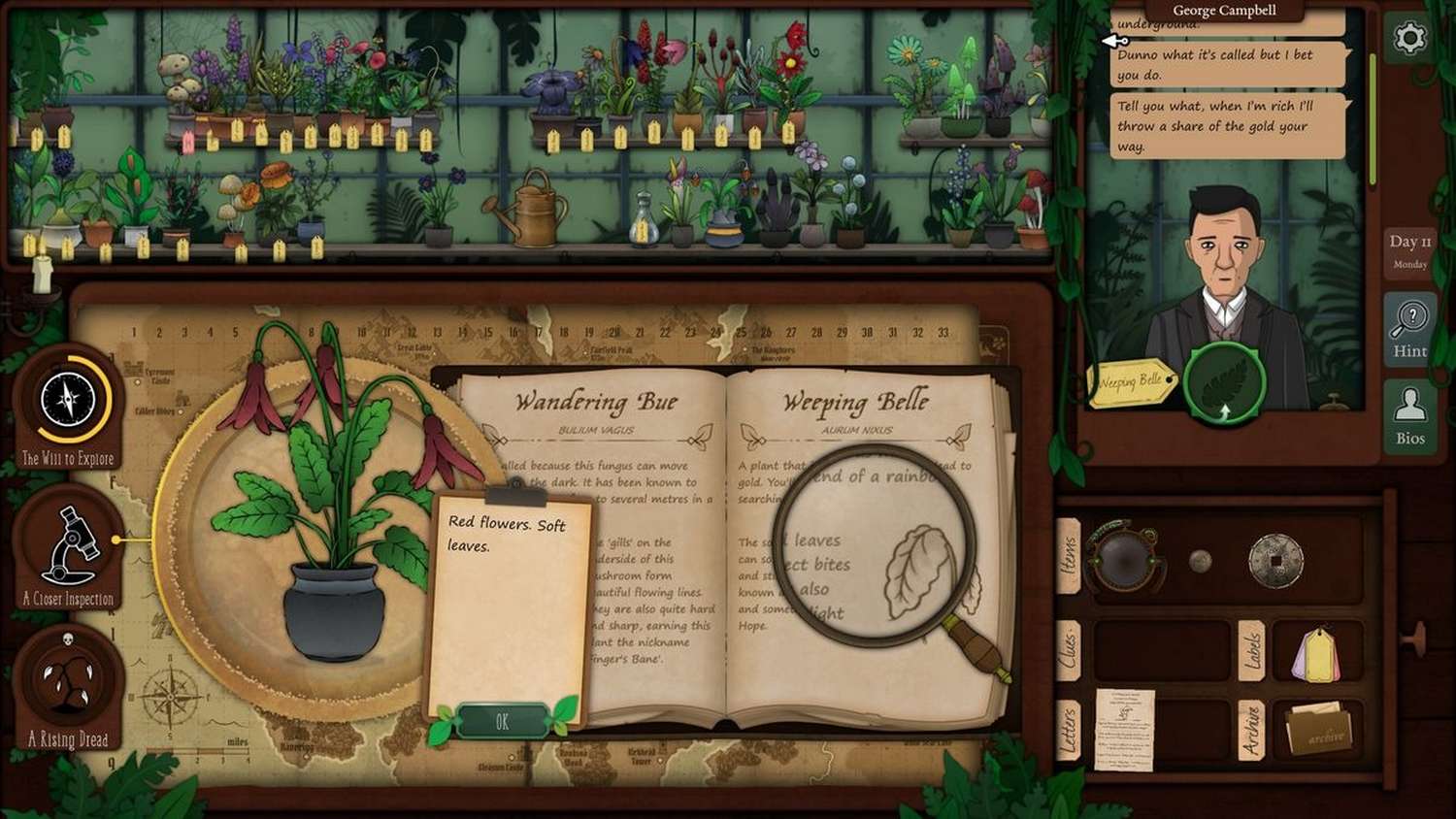
Introduction: A New Chapter in Botanical Deduction
The indie gaming landscape is often defined by innovation and unique experiences, and few titles exemplify this better than Strange Horticulture. Known for its atmospheric mystery and engrossing plant identification puzzles, the original captivated a dedicated audience. Now, anticipation is reaching a fever pitch with news of its sequel, poised to delve even deeper into the arcane. This next installment promises to transform the meticulous art of antiquing into a rich vein of puzzle gold, offering a fresh, cerebral challenge for veteran players and newcomers alike. As the gaming market continues to expand, titles like this represent a valuable investment in narrative depth and intricate design.
A Legacy of Botanical Mystery and Market Success
The original Strange Horticulture, released to critical acclaim, placed players in the role of a proprietor of a plant shop, tasked with identifying and categorizing peculiar flora to aid customers, solve local mysteries, and even avert impending doom. Its strength lay in its tactile interface, compelling narrative, and the sheer satisfaction derived from its deduction-based gameplay. This unique blend positioned it as a standout title, demonstrating the commercial viability of niche puzzle games. The success highlighted a significant demand for immersive, story-driven experiences that prioritize intellectual engagement over high-octane action.
- Unique Gameplay: Plant identification as a core mechanic.
- Engaging Narrative: Unraveling a town’s secrets.
- Atmospheric Design: A world steeped in mystery and occult undertones.
- Critical Acclaim: Praised for originality and execution.
The Allure of Antiquarian Puzzles: Beyond the Green Thumb
The sequel builds upon this solid foundation by shifting focus from botanical specimens to ancient relics, esoteric objects, and historical curiosities. This pivot to antiquing introduces a wealth of new possibilities for intricate puzzles. Players will no longer simply identify plants; they will meticulously research artifacts, decipher cryptic texts, restore damaged items, and trace the provenance of mysterious objects. This expansion promises a significantly broader scope for deductive reasoning, integrating elements of history, archaeology, and even forensic analysis into the core gameplay loop. The challenge of authenticating digital assets and understanding their historical context will be paramount.
Deeper Narratives and Expanded Lore: Crafting an Immersive World
The compelling narrative was a cornerstone of the original, and the sequel is expected to push these boundaries further. Imagine a story where every antique piece tells a fragmented tale, and each successful identification unlocks a new chapter in a grander, overarching mystery. The developers are likely to weave an even more elaborate web of lore, introducing a cast of intriguing characters – rival antiquarians, secretive collectors, and perhaps even shadowy organizations vying for control of ancient powers. This narrative depth provides significant user engagement and replay value, driving sustained interest long after release. The storytelling will be a critical asset, contributing to the game’s overall value proposition.
Gameplay Innovations and Mechanics: The Art of the Find
The transition to antiquing opens doors for a myriad of fresh gameplay mechanics:
- Research and Sourcing: Players might need to consult extensive digital archives, cryptic old books, and even track down elusive sources to gather information about their finds. This requires strategic planning and careful resource management.
- Restoration Challenges: Mini-games or intricate puzzles could involve cleaning, repairing, or even recreating missing parts of artifacts, demanding precision and knowledge of historical craftsmanship.
- Deductive Identification: Combining visual cues, historical data, and environmental clues to correctly identify and categorize relics will be at the heart of the experience. This aspect enhances cognitive skill development.
- Inventory and Display Management: Organizing and presenting a burgeoning collection of antiques will likely involve its own set of strategic choices, influencing customer interactions and potential profits.
- Choice and Consequence: Given the original’s branching paths, the sequel may offer even more significant moral dilemmas or investigative choices that profoundly impact the story’s progression and various character relationships.
These innovations are designed to ensure that the gameplay remains fresh and continually challenging, appealing to a broad demographic of puzzle enthusiasts and adventure gamers.
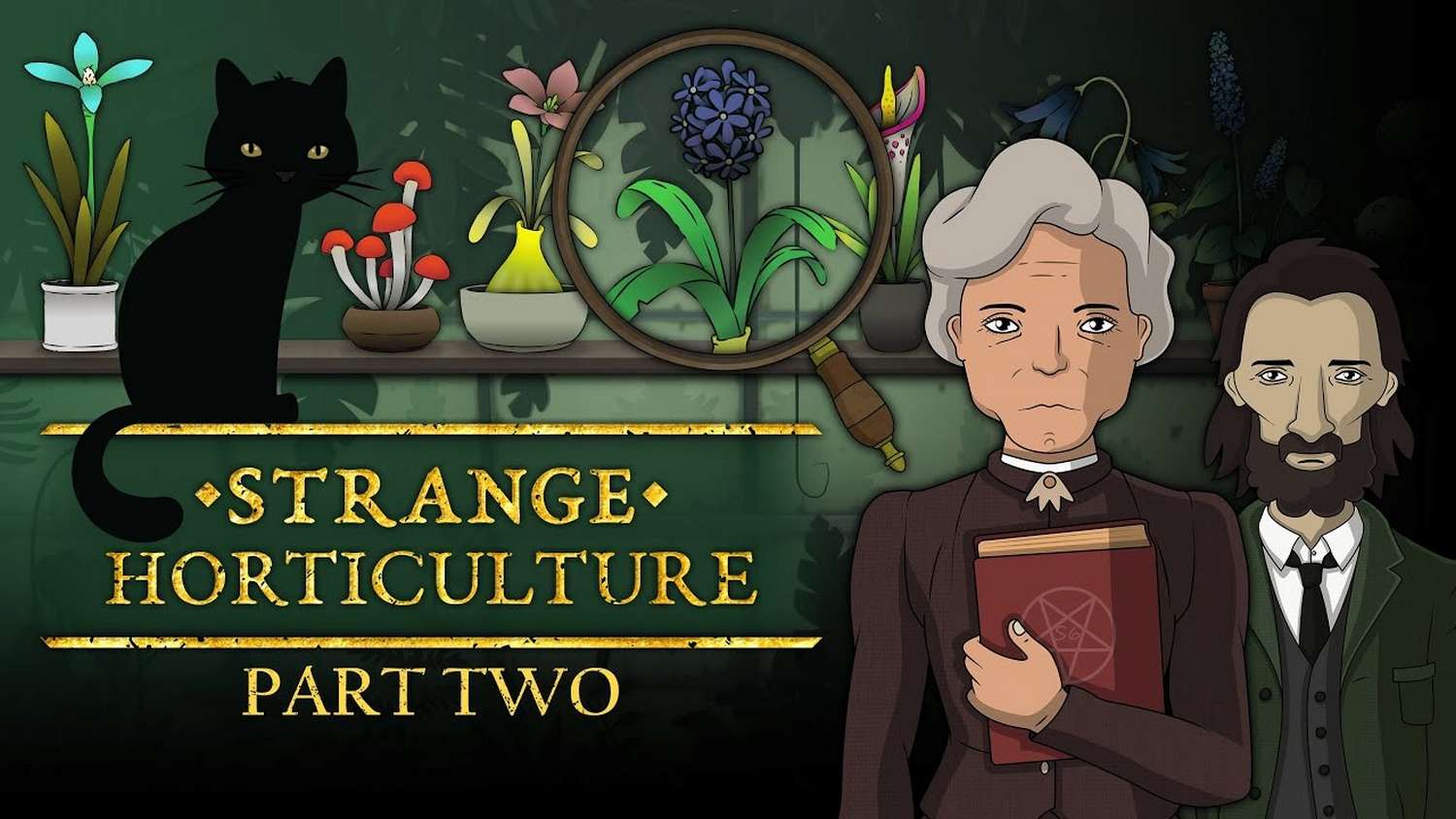
Visuals and Atmosphere: A Return to Macabre Charm
The distinctive art style and atmospheric sound design of Strange Horticulture were instrumental in creating its unique identity. For the sequel, expect a similar commitment to an immersive, slightly unsettling aesthetic. Imagine a dimly lit antiquarian shop filled with dusty shelves, flickering gas lamps, and the subtle creak of ancient wood. The visual fidelity will likely enhance the tactile sensation of examining objects, with intricate details bringing each antique to life. The audio landscape will be crucial, featuring the rustle of old paper, the gentle clink of metal, and a haunting score that perfectly complements the unfolding mystery. This attention to detail elevates the overall gaming experience, fostering deep player immersion.
Market Impact and Anticipation: A Gem in the Indie Crown
The announcement of a sequel to a beloved indie title generates considerable buzz. In a gaming market often saturated with AAA releases, unique experiences like Strange Horticulture’s follow-up stand out, attracting both loyal fans and new players seeking something different. Its emphasis on brain-teasing puzzles, rich narrative, and distinctive aesthetics positions it as a potential critical and commercial success. For the gaming industry, such titles demonstrate the power of creativity and focused design, proving that smaller studios can create deeply impactful and profitable entertainment products. Developers are recognizing the long-term value in crafting games with strong intellectual property and dedicated fan bases.
The Future of Horticultural and Antiquarian Puzzles
The sequel to Strange Horticulture is more than just another puzzle game; it represents an evolution in how narrative, deduction, and environmental storytelling can converge to create a truly unforgettable experience. By successfully transposing the core strengths of botanical identification into the fascinating world of antiquing, the developers are poised to deliver another masterpiece. Players can anticipate a journey filled with intellectual challenges, historical intrigue, and the profound satisfaction of unearthing secrets long buried. This title is set to become a benchmark for innovative puzzle design, proving that the pursuit of knowledge, whether botanical or antiquarian, can indeed be puzzle gold.