
Reviving Regional Prosperity: A Deep Dive into ‘Train Simulator 2’ on Android










Popular Now
 Stumble Guys
 God of War Ragnarök
 EA SPORT FC 25
 CarX Street
 Free Fire Max
 Fortnite
 Poppy Playtime
 Garena Free Fire: Kalahari
 Counter-Strike 2
 NBA 2K24
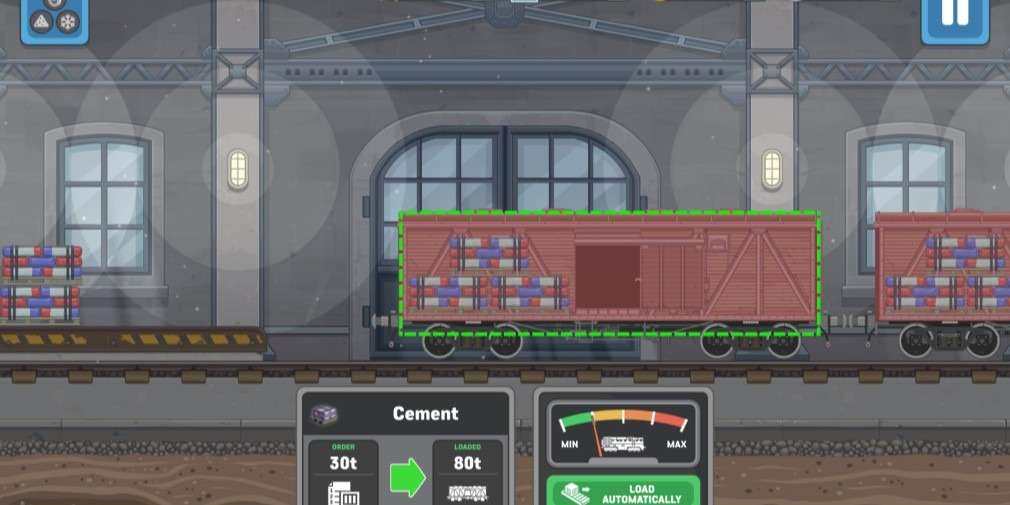
The mobile gaming market continues its rapid expansion, shifting focus from pure arcade action to deep, strategic simulations. One of the most compelling recent releases capitalizing on this trend is Azur Interactive Games’ ‘Train Simulator 2’ for Android. This isn’t merely a game about driving trains; it’s an intricate economic simulation that challenges players to reverse the fortunes of entire regional economies through strategic railway management and logistics, making it a high-value proposition for enthusiasts of tycoon games and high CPC keywords related to simulation and finance.
In a global climate where infrastructure and logistics dominate discussions on economic stability, ‘Train Simulator 2’ offers a timely and serious premise. The game plunges the player into a state of economic distress, where regional economies are collapsing, transport systems are failing, and industrial enterprises are stalled. The core mission is to assume the mantle of a railroad tycoon, taking a meager diesel locomotive and systematically rebuilding a functional, profitable, and expansive transport network.
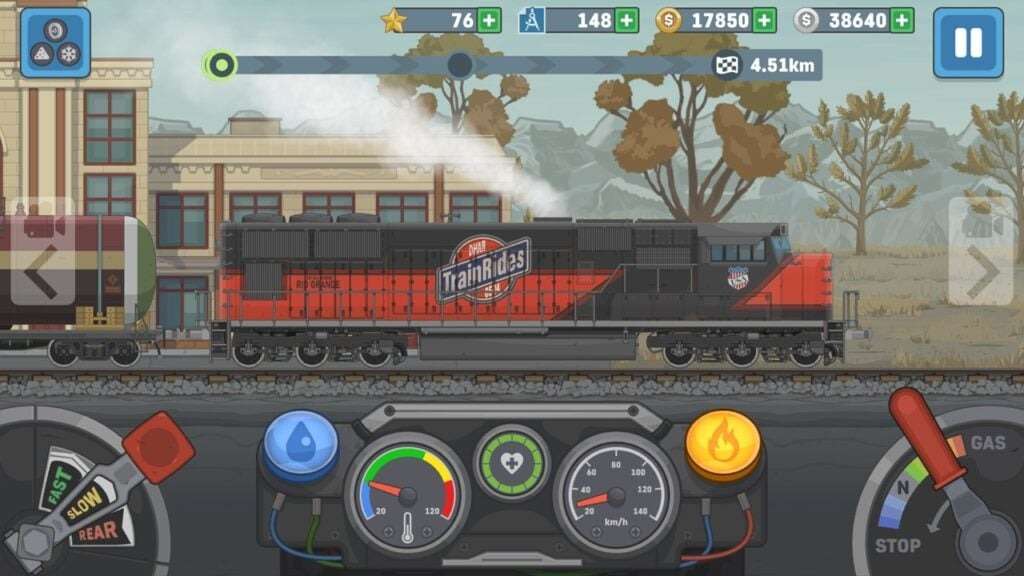 The Core Gameplay Loop: Logistics and Strategic Investment
Success in ‘Train Simulator 2’ hinges on a careful balance of execution and long-term strategy. The player’s initial assets are minimal, but the potential for growth is immense. The first contracts involve hauling basic goods—such as agricultural products and building materials—between stations. Every successful delivery generates the crucial revenue needed for capital expenditure.
- Cargo Diversity: The game features a wide array of cargo types, ranging from base raw materials to high-value industrial goods. Managing different cargo contracts and optimizing routes for maximum efficiency is paramount.
- Locomotive Upgrades: The deliberate upgrade system is a central feature. Earned money must be invested in spare parts and new equipment to enhance the train’s capability to handle more demanding contracts, including heavier loads and longer, more challenging routes.
- Historical Accuracy: The game appeals directly to train enthusiasts by featuring a roster of locomotives meticulously recreated from real-world drawings. Progressing through the game unlocks the most powerful locomotives of the 20th century, providing a tangible sense of achievement and historical immersion.
- Infrastructure and Relations: Beyond the rails, the player must foster relationships with railroad heads and improve ties between stations. This strategic layer of diplomacy and resource management directly impacts the availability of lucrative contracts and the overall flow of trade within the expansive game world.
 Economic Impact: From Loss to Prosperity
The game’s most compelling element is its focus on regional economic recovery. The narrative is one of macroeconomic intervention on a micro scale. By consistently delivering goods, the player directly stimulates production, revives idle factories, and catalyzes the development of trade. This dynamic feedback loop transforms the simple act of driving a train into a profound exercise in business simulation and market dynamics.
- Industry Revitalization: Timely delivery of essential commodities to industrial centers allows them to resume operations, generating new, more complex, and higher-paying contracts in return. This establishes cascading economic benefits across the region.
- Financial Strategy: Players must continuously manage their financial resources, making critical decisions on whether to invest in fleet expansion, locomotive modification, or track maintenance. Poor financial planning can quickly lead to insolvency in the face of dynamic challenges like varying weather conditions that affect performance and resource consumption.
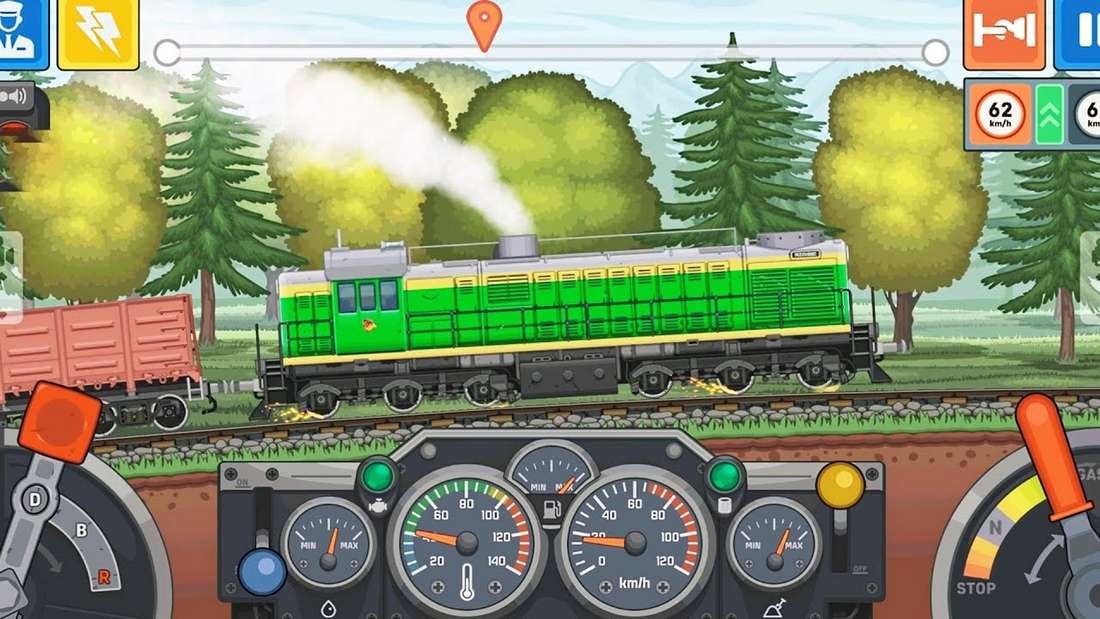
- High-Stakes Logistics: The challenge involves not just speed, but the strategic composition of the train. An effective train composition must be powerful enough to handle the terrain—which spans deserts, swamps, forests, and mountainous regions—while maintaining the efficiency required for profit maximization.
With its blend of detailed 2D graphics, realistic sound effects, and a complex, rewarding economic engine, ‘Train Simulator 2’ is a must-download for anyone interested in the intersection of transportation, finance, and strategic simulation. The game’s design emphasizes realistic gameplay and challenging tasks, ensuring long hours of engaging content for the dedicated Android gamer looking for more than a casual time-killer. It successfully transforms the historical role of the railroad as an engine of economic growth into a compelling, modern mobile experience, solidifying its position as a significant release in the simulation genre.
This video provides an overview of the features and strategic gameplay that make Train Simulator 2 an engaging economic simulator on the Android platform: 2D Train Simulator 2 Lands on Android, Letting You Restore Entire Regional Economies.
Would you like to explore the specific technical details of the locomotive upgrade system in ‘Train Simulator 2’?