
Performance Chasm: Why PUBG: Battlegrounds’ PS5 Experience Falls Short of Xbox Series X Optimization










Popular Now
 Free Fire
 Stumble Guys
 R.E.P.O
 Genshin Impact
 Poppy Playtime
 The Legend of Zelda
 Auto X Drift Racing 3
 Candy Crush Saga
 Minecraft
 Garena Free Fire: Kalahari
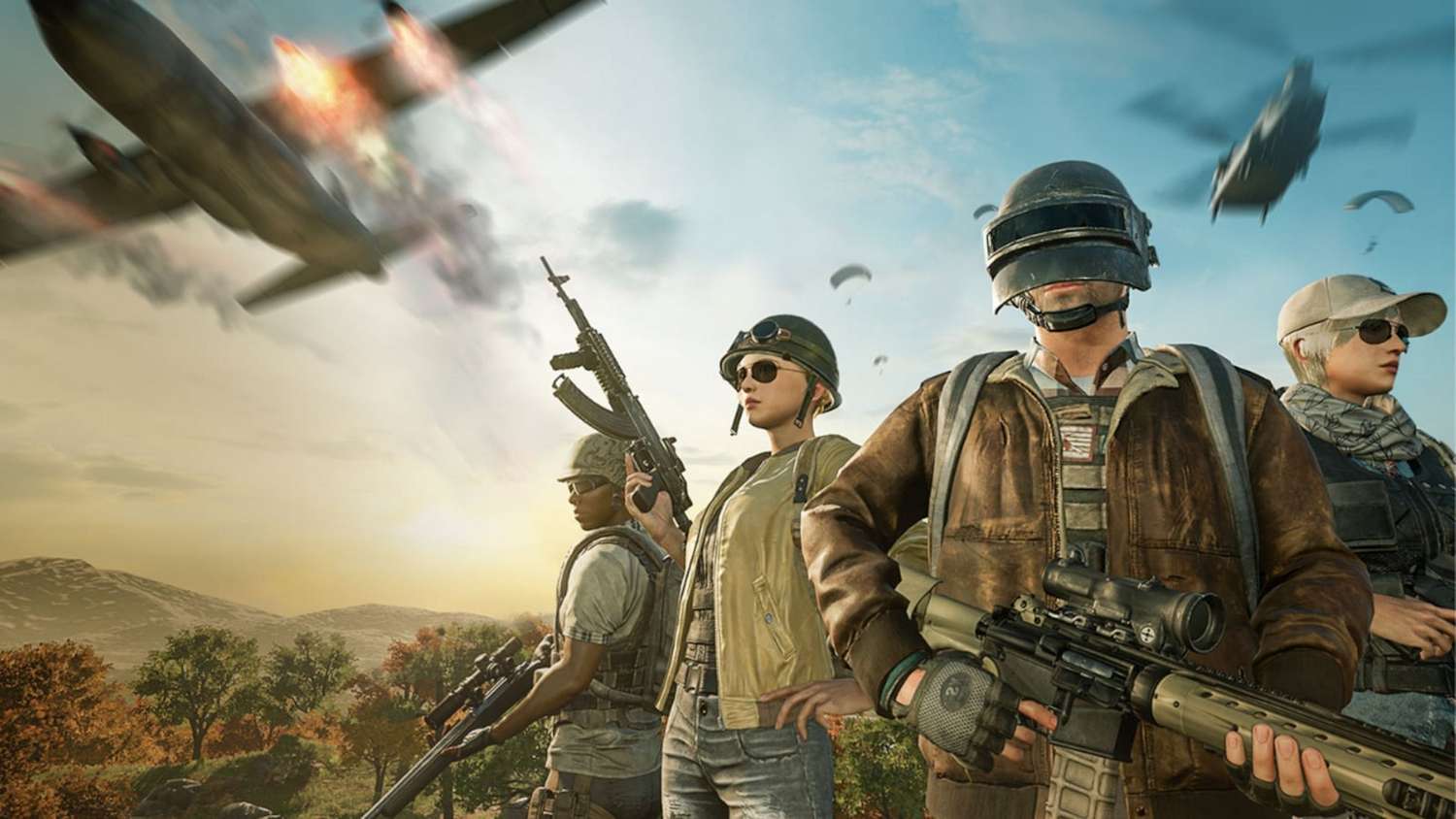
Performance Chasm: Why PUBG: Battlegrounds’ PS5 Experience Falls Short of Xbox Series X Optimization
PUBG: Battlegrounds, the pioneering force in the battle royale genre, continues to draw millions into its unforgiving arenas. With the advent of the PlayStation 5 and Xbox Series X, players eagerly anticipated a new era of enhanced performance and visual fidelity. However, a persistent divide has emerged, with the PS5 performance of PUBG Battlegrounds notably lagging behind its Xbox Series X optimization. This console comparison reveals a significant disparity that impacts the overall gaming experience, particularly for those seeking a premium gaming environment on their next-gen gaming hardware. This article delves into the technical nuances and developer challenges that contribute to this performance chasm, offering a critical game review of the current state of PUBG on both platforms.
The Genesis of the Discrepancy: Backward Compatibility and Optimization
At the heart of the issue lies how PUBG: Battlegrounds leverages the power of the new consoles. Unlike many titles that have received dedicated next-gen updates, PUBG on PS5 primarily runs as a backward-compatible PS4 Pro version. While the console’s raw power does offer some improvements over the base PS4, it’s not a fully optimized native application designed to harness the PS5’s unique architecture. In contrast, the Xbox Series X, often praised for its robust backward compatibility and optimization tools, appears to handle the previous generation’s PUBG much more effectively, often delivering a smoother and more stable experience. This isn’t merely about raw power; it’s about the optimization strategies employed, or perhaps not yet fully realized, for each system.
Frame Rate Stability: A Tale of Two Consoles
One of the most critical aspects of a competitive shooter like PUBG is frame rate stability. On the Xbox Series X, players consistently report a more locked and higher frame rate, often hovering closer to the target 60 frames per second (FPS), even during intense engagements and high-density areas. This provides a significant competitive advantage, allowing for quicker reactions and smoother tracking of opponents. The PS5 performance, however, frequently exhibits more noticeable frame rate issues, particularly when the action heats up or in graphically demanding zones. Drops below the desired 60 FPS can be jarring, leading to a less fluid gaming experience and potentially impacting aiming precision. For a battle royale title where every millisecond counts, this difference can be the deciding factor between victory and defeat.
Resolution and Graphical Fidelity: Subtle Yet Significant Differences
Beyond frame rate, the perceived graphical fidelity and resolution scaling also contribute to the performance gap. While both consoles output a generally similar visual quality due to running the same base game, discerning players note subtle improvements on the Xbox Series X. Textures can appear marginally sharper, draw distances might seem more consistent, and overall visual presentation can feel more polished. This isn’t to say the PS5 version is visually unappealing, but rather that it doesn’t quite reach the same peak levels of clarity and consistency seen on its rival. These subtle distinctions, when combined with frame rate variations, accumulate to create a perceptibly different gaming experience.
Loading Times and Input Lag: Quality of Life Impacts
Loading times, while improved on both next-gen consoles compared to their predecessors, also show a marginal but relevant difference. The Xbox Series X generally boasts slightly quicker loading into matches and between various menu screens. While not a game-breaker, faster loading contributes to a more seamless and less interrupted premium gaming session. Furthermore, discussions among the community sometimes highlight perceived differences in input lag. A slight increase in input latency on one platform over another, however minor, can impact responsiveness and overall control, which is crucial in a fast-paced competitive shooter.

Developer Insights and Community Expectations
Krafton, the developer behind PUBG: Battlegrounds, has a complex task in optimizing a live-service game across multiple platforms. While they have issued numerous developer updates and patch notes aimed at improving the overall experience, dedicated PS5 optimization strategies for a native version have remained largely elusive. Player feedback consistently points to the desire for a true next-gen update that fully capitalizes on the hardware capabilities of the PlayStation 5. The expectation is that both consoles should deliver a comparable, high-tier gaming experience, especially given their similar power profiles. The continued disparity raises questions about resource allocation, engine compatibility, and the strategic focus of the development team.
The Competitive Landscape and Player Choice
For serious competitive gaming enthusiasts, these performance differences can heavily influence platform choice. Those who prioritize the smoothest possible frame rate and minimal input lag for their battle royale sessions might naturally gravitate towards the platform that currently offers the most stable and performant version. This creates an uneven playing field and can lead to frustration among the PS5 player base, who have invested in powerful new hardware expecting parity or even superiority. The perception that one version is objectively