Overwatch 2: Unpacking the Critical Impact of November 17th on the Game’s Evolving Meta










Popular Now
 Candy Crush Saga
 Rust
Rust
 Toca Boca World
 Minecraft
 R.E.P.O
 Grand Theft Auto V
 Stumble Guys
 Gacha Club
 Roblox
 Brawl Stars
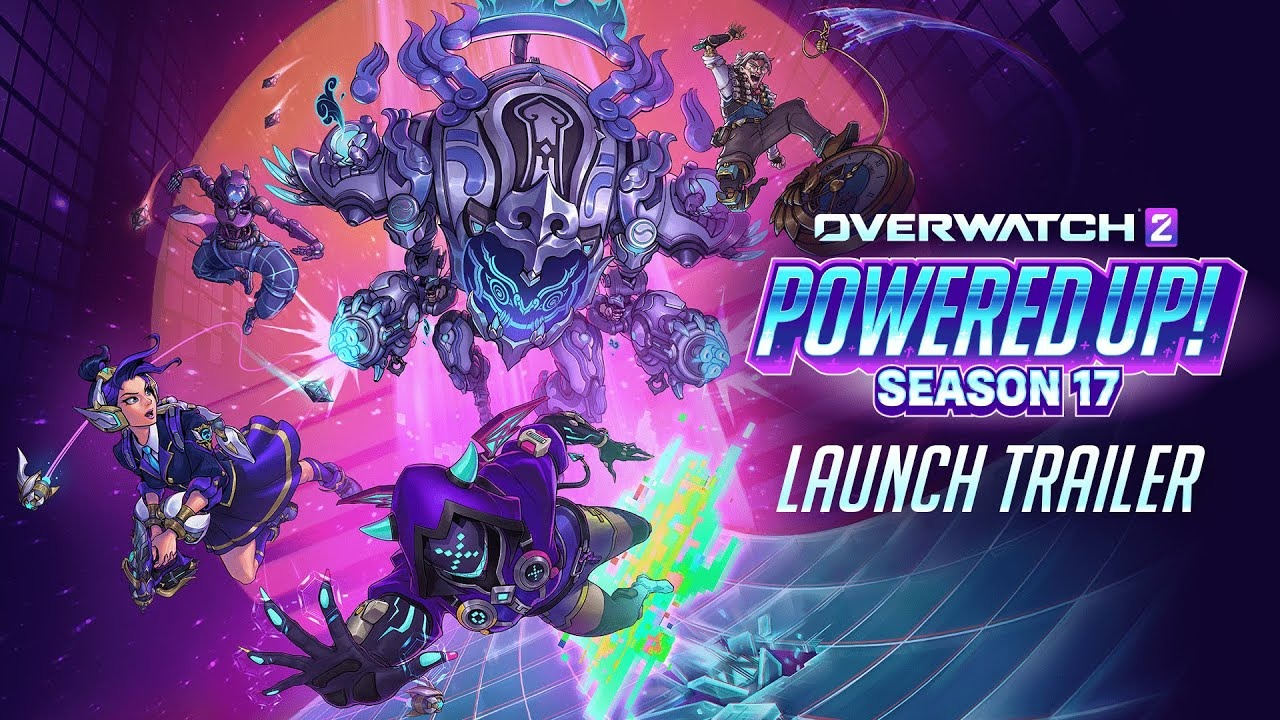
For dedicated players and competitive enthusiasts of Blizzard Entertainment’s hero shooter, Overwatch 2, certain dates on the calendar hold disproportionate significance. November 17th, 2023, was one such day, a pivotal moment that underscored the live service game’s dynamic nature and its continuous commitment to evolving the player experience. While not a season launch, this mid-season milestone often brings with it crucial adjustments, balance changes, and content refinements that ripple through the entire ecosystem, from casual play to the apex of competitive Overwatch.
The Perpetual Evolution of Overwatch 2’s Live Service Model
Overwatch 2 operates on a robust seasonal model, delivering regular injections of new heroes, maps, game modes, and cosmetic items. However, the periods between major seasonal rollouts are equally vital. These mid-season updates, often deployed around the month-and-a-half mark into a season, are where the developers fine-tune the existing framework based on extensive telemetry data, community feedback, and competitive performance. This iterative development cycle is fundamental to maintaining a balanced and engaging gaming environment, preventing stagnation, and ensuring that the meta remains fresh and responsive.
November 17th, falling within Season 7: Rise of Darkness, was a prime candidate for such an intervention. Players were keenly observing the performance of newly introduced elements, the dominance of certain hero compositions, and lingering issues that might be detracting from the overall gameplay experience. The expectation was that Blizzard would leverage this opportunity to address these points, demonstrating their responsiveness to the active player base and their commitment to the long-term health of the game.
Anticipated Changes and Their Far-Reaching Consequences
Any significant mid-season patch carries a host of potential changes. For Overwatch 2, these typically include:
- Hero Balance Adjustments: This is arguably the most impactful category. Blizzard frequently tweaks hero abilities, damage outputs, health pools, and ultimate charge rates. A slight reduction in a tank’s survivability or a damage dealer’s burst potential can dramatically alter their viability and subsequently shift the entire meta. DPS heroes like Sojourn or Cassidy might see adjustments to their primary fire or cooldowns, while supports like Kiriko or Ana could experience changes to their healing output or utility.
- Bug Fixes and Quality-of-Life Improvements: Addressing persistent bugs, visual glitches, or quality-of-life issues (QoL) is crucial. These might include fixing hit registration inconsistencies, improving UI elements, or streamlining player interactions. While less glamorous than hero changes, QoL improvements significantly enhance the overall player experience and reduce frustration.
- Competitive Play Refinements: Adjustments to competitive ranking systems, matchmaking algorithms, or even the map pool can occur. Ensuring a fair and challenging competitive ladder is paramount for retaining high-level players and fostering a healthy esports scene.
- Event Launches or Announcements: While a full season event is less likely mid-season, smaller in-game challenges, limited-time modes, or teasers for upcoming content are common. These mini-events help keep engagement high and provide additional incentives for players to log in.
The changes deployed around November 17th, whether subtle or overt, were critical in steering the trajectory of Season 7 and setting the stage for Season 8. They directly impacted hero win rates, pick rates, and the strategic calculus for team compositions across all skill tiers. For content creators and professional analysts, these patches provide a fresh canvas for exploring new strategies and advising the community.
Navigating the Evolving Meta: Strategies for Success
With each significant update, the Overwatch 2 meta undergoes a seismic shift. What was once dominant can become obsolete, and previously niche heroes can rise to prominence. For players, adapting to these changes is not just about staying competitive but also about maintaining an edge in an ever-evolving landscape. Key strategies for navigating these shifts include:
- Studying Patch Notes: The most immediate and reliable source of information. Understanding the specifics of each change allows players to anticipate its impact before even logging into the game.
- Experimentation and Practice: Theorycrafting is valuable, but hands-on experience is irreplaceable. Players must dedicate time to experimenting with new hero compositions, understanding altered ability timings, and discovering effective counter-strategies in Quick Play or custom games.
- Following Pro Play and High-Tier Streamers: The competitive scene often pioneers new strategies. Observing how top-tier players and esports professionals adapt to balance changes can provide invaluable insights into the emerging meta.
- Engaging with Community Discussions: Forums, Reddit, and Discord servers are vibrant hubs for discussing changes, sharing observations, and collaboratively deciphering the new meta.
The financial implications for Blizzard Entertainment are also noteworthy. A well-received update can invigorate the player base, potentially boosting sales of the premium Battle Pass, hero skins, and other in-game cosmetics. Conversely, poorly executed or frustrating changes can lead to player attrition, impacting revenue and the long-term viability of the free-to-play model.
 The Long-Term Vision: Developer Insights and Player Trust
Ultimately, dates like November 17th are more than just patch days; they are indicators of Blizzard’s ongoing dialogue with its community. The success of Overwatch 2 as a live service title hinges on a delicate balance of introducing exciting new content, maintaining competitive integrity, and responding effectively to player feedback. Each update is a testament to the developers’ vision for the game, shaping its future and solidifying player trust.
The impact of the November 17th update reverberated through the competitive landscape, compelling players to rethink their strategies, adjust their hero pools, and embrace the dynamic nature of Overwatch 2. It served as a potent reminder that in the fast-paced world of live service gaming, vigilance and adaptability are key to success, and that every scheduled date has the potential to redefine the game.
As Overwatch 2 continues its journey, these periodic touchpoints will remain critical milestones. They are not merely bug fixes or number tweaks; they are the pulse of the game, dictating its rhythm and guiding its evolution. For serious players, marking these dates on their calendars isn’t just a suggestion—it’s a fundamental aspect of staying ahead in the ever-shifting world of Blizzard’s premier hero shooter.