
Nintendo Officially Comments on Where Metroid Prime 4: Beyond Fits in the Franchise Timeline


Popular Now
 BeamNG.drive
 Free Fire Max
 Toca Boca World
Geometry Dash
Toca Boca World
Geometry Dash
 Warframe
 League of Legends
 Fortnite
 Valorant
 Candy Crush Saga
 Schedule I
After nearly a decade of anticipation, a reboot in development, and the transition between console generations, Nintendo has finally cleared the air regarding the narrative positioning of Metroid Prime 4: Beyond. In a landmark interview with Famitsu published on December 29, 2025, Nintendo’s development team officially confirmed that the latest entry in the beloved first-person adventure series takes place after the events of Super Metroid and before Metroid Fusion.
This revelation has sent shockwaves through the Metroid community, as it marks the first time a Prime title has ventured beyond the “interquel” period between the original Metroid (or Zero Mission) and Metroid II: Return of Samus.
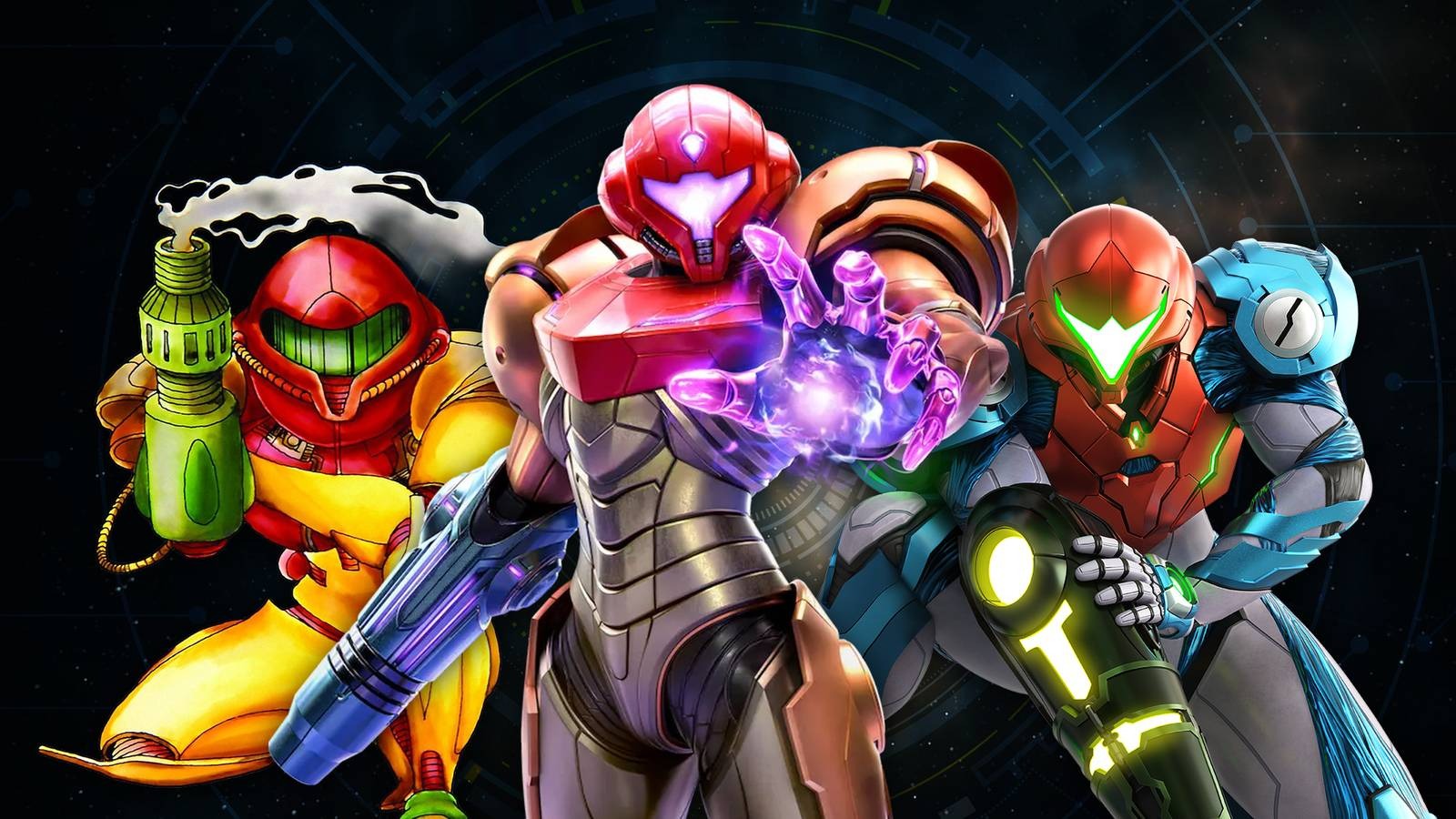
The Official Word: Bridging the “Super” and “Fusion” Gap
For years, fans assumed that the Metroid Prime series was a self-contained saga locked between the first two games of the 2D series. However, the release of Metroid Prime 4: Beyond on December 4, 2025, for both the Nintendo Switch and the Nintendo Switch 2 introduced a narrative that seemingly defied those constraints.
Speaking to Famitsu, the developers explained that Beyond is set in Cosmic Year 20X9, which is approximately three years after the events of Metroid Prime: Federation Force (20X6) and significantly, after the destruction of Planet Zebes in Super Metroid.
“We wanted to create a free and original setting for Metroid Prime without being strictly bound by the events of the 2D series,” the Nintendo representative stated. “By placing the story after Super Metroid, we could explore a Samus who has already experienced the loss of the ‘Baby Metroid’ and the finality of the Space Pirate threat—or so she thought.”
The “Another Dimension” Strategy
The interview clarified that while the game fits chronologically between Super and Fusion, much of the action occurs on the planet Viewros, an undiscovered world in another dimension. This was a deliberate design choice by Retro Studios and Nintendo to ensure that they could introduce “experimental” elements—such as Samus’s new psychic powers and the Vi-O-La motorcycle—without creating continuity errors for Metroid Fusion or the more recent Metroid Dread.
Chronology Breakdown: Where Does Beyond Fit?
The Metroid timeline is notoriously dense. To understand the significance of this announcement, one must look at the updated sequence of events:
-
Metroid: Zero Mission (Cosmic Year 20X5)
-
Metroid Prime Trilogy / Hunters / Federation Force (20X5 – 20X6)
-
Metroid II: Return of Samus / Samus Returns (Approx. 20X6 – 20X7)
-
Super Metroid (20X7)
-
Metroid: Other M (Weeks after Super)
-
Metroid Prime 4: Beyond (20X9)
-
Metroid Fusion (Years later)
-
Metroid Dread (Conclusion of the Metroid arc)
The placement in 20X9 is particularly interesting because it suggests that the Space Pirates—previously thought to be decimated after the death of Mother Brain and Ridley in Super Metroid—have seen a resurgence under the leadership of the rogue hunter Sylux.
Plot Implications: The Resurgence of Sylux and Cloned Metroids
The central conflict of Beyond involves Sylux leading a faction of Space Pirates who have harnessed “fused” Metroids. These creatures are not the original species from SR388, which were supposedly extinct by this point in the timeline, but are instead clones derived from a stolen specimen during the events of Federation Force.
The Role of Psychic Abilities
In Beyond, Samus gains access to Psychic Crystals on Planet Viewros, which grant her abilities like the “Psychic Control Beam.” Nintendo explained that these powers are unique to this “Beyond” dimension, explaining why Samus does not possess them in Metroid Fusion. This narrative “safety valve” allows Retro Studios to innovate mechanically while keeping the core 2D Samus consistent with her later appearances.
Development History: A “Divorce from Time”
The Famitsu interview also touched upon the game’s “tortuous” development. After development was restarted at Retro Studios in 2019, the team had to rebuild their internal infrastructure to handle a project of this scale.
The producer noted that Beyond is in many ways “divorced from the changing of times.” While other modern shooters moved toward open-world designs, Retro stayed true to a hub-based “Metroidvania” structure. This decision was met with mixed reviews; while IGN and Nintendo Life praised the “classic Prime atmosphere,” some critics at GamesRadar and The Guardian found the open desert hub areas to be “empty” or “dated.”
Regardless of the mixed reception to its hub world, the game’s technical performance on the Nintendo Switch 2—running at a steady 120fps while docked—has set a new benchmark for Nintendo’s hardware capabilities.
Conclusion: A New Era for the Prime Series
Nintendo’s official comment on the timeline confirms that Metroid Prime 4: Beyond is not just a sequel, but a bridge. It connects the “Prime era” of exploration and lore-heavy environmental storytelling with the high-stakes narrative of the later 2D titles. By placing Samus in 20X9, Nintendo has opened the door for future Prime games to exist alongside the “post-extinction” era of the Metroids, potentially paving the way for a Metroid Prime 5 that could even interact with the events seen in Dread.
For fans, the wait of 18 years since Corruption has finally yielded an answer: the Prime series is no longer just a side story—it is a vital, forward-moving part of Samus Aran’s ongoing legacy.
Would you like me to provide a detailed guide on the key story differences between Metroid Prime 4 and the 2D series?