
Defining Reality in the Imperium: A Critical Review of Warhammer 40,000: Dark Heresy’s Enduring Legacy









Popular Now
 Free Fire Max
 Valorant
 Sonic the Hedgehog™ Classic
 Free Fire
 Geometry Dash
 Brawl Stars
 Toca Boca World
 Genshin Impact
 Call of Duty
 Auto X Drift Racing 3
Defining Reality in the Imperium: A Critical Review of Warhammer 40,000: Dark Heresy’s Enduring Legacy
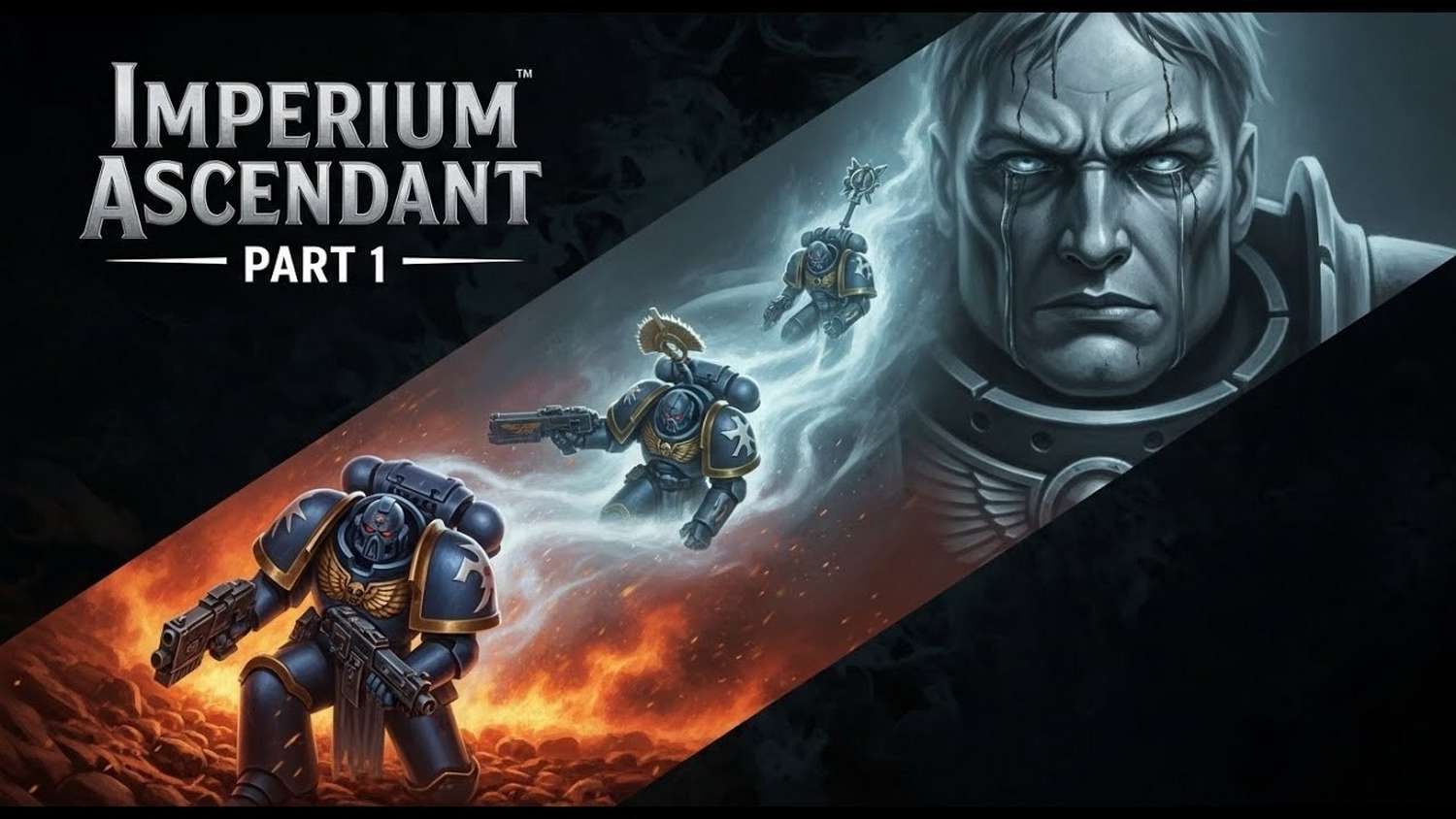
In the vast, grim darkness of the far future, where humanity clings to survival against an endless tide of horrors, the very concept of truth is a malleable weapon. Warhammer 40,000: Dark Heresy, the seminal tabletop role-playing game (TTRPG) from Fantasy Flight Games, plunges players into this terrifying reality, casting them as Acolytes of the dreaded Inquisition. More than just a game, Dark Heresy is an immersive journey into the heart of an empire built on dogma, where heresy lurks in every shadow, and an Inquisitor’s word can literally redefine reality. This review delves into why Dark Heresy continues to be a highly-rated and deeply influential entry in the tabletop gaming sphere, offering a premium gaming experience for those brave enough to confront the abyss.
Released initially in 2008, Dark Heresy carved a niche for itself by focusing on the espionage, investigation, and psychological horror inherent in the Warhammer 40,000 universe. Unlike its more combat-centric siblings, Dark Heresy emphasizes the slow burn of uncovering corruption, the moral compromises of upholding an unforgiving Imperium, and the terrifying truth that sanity is a luxury few can afford. For those seeking a narrative-driven RPG with profound character development and intricate lore, Dark Heresy stands as a testament to deep, immersive storytelling.
The Weight of Truth: Gameplay Mechanics and Thematic Depth
At its core, Dark Heresy employs a robust d100 system, familiar to players of Call of Cthulhu or RuneQuest. Character creation is a detailed process, allowing players to choose from various homeworlds and backgrounds, each imparting unique bonuses, penalties, and, crucially, a distinct worldview. These initial choices are critical, shaping an Acolyte’s journey from a naive recruit to a seasoned, yet scarred, investigator. Careers range from the versatile Arbitrator to the devout Fanatic or the secretive Assassin, offering diverse playstyles and fostering rich player experience. This intricate system encourages repeated play, offering endless possibilities for new campaigns and character builds, making it a valuable addition to any TTRPG collection.
Combat in Dark Heresy is brutally efficient and often lethal. Unlike many fantasy RPGs where characters can absorb significant punishment, an Acolyte in the 41st millennium is always on the brink of dismemberment or instant death. This constant threat elevates tension, forcing players to think tactically, utilize cover, and employ the unique traits of their careers. The lethality serves to reinforce the grimdark setting, where every encounter with cultists, xenos, or daemons is a desperate struggle for survival, not merely a test of statistics. This isn’t just a combat simulator; it’s a desperate struggle for survival where strategy roleplaying is paramount.
However, what truly sets Dark Heresy apart, and ties directly into its core theme of subjective truth, is its handling of Insanity and Corruption. Acolytes are constantly exposed to the horrors of the galaxy – warp entities, forbidden knowledge, the sheer scale of human suffering and depravity. Each encounter can inflict Insanity Points (IP) or Corruption Points (CP). Accumulating IP can lead to crippling mental disorders, paranoia, and hallucinations, fundamentally altering a character’s perception of reality. CP, on the other hand, represents the slow, insidious taint of Chaos, manifesting as physical mutations or forbidden psychic powers, twisting an Acolyte’s soul. These mechanics brilliantly illustrate how the line between sanity and madness, purity and heresy, can blur. An Inquisitor might declare a phenomenon to be heresy, but a heavily corrupted Acolyte might genuinely perceive it as divine, embodying the game’s central conceit: what you believe to be true becomes your reality, often with dire consequences.
Beyond combat and psychological damage, Dark Heresy excels in investigation and infiltration. Players are frequently tasked with uncovering hidden cults, rooting out sedition in noble houses, or tracking down elusive heretics. This requires careful deduction, social maneuvering, and the ability to navigate the Byzantine politics of the Imperium. The rulebook provides extensive detail on Imperial institutions, from the Adeptus Arbites to the Ecclesiarchy, allowing Game Masters to craft intricate mysteries that demand both intellect and courage. It’s a compelling blend of detective work and grimdark science fantasy adventure, making it a premium gaming experience.
A Universe of Lies: The Inquisitorial Mandate and Moral Ambiguity
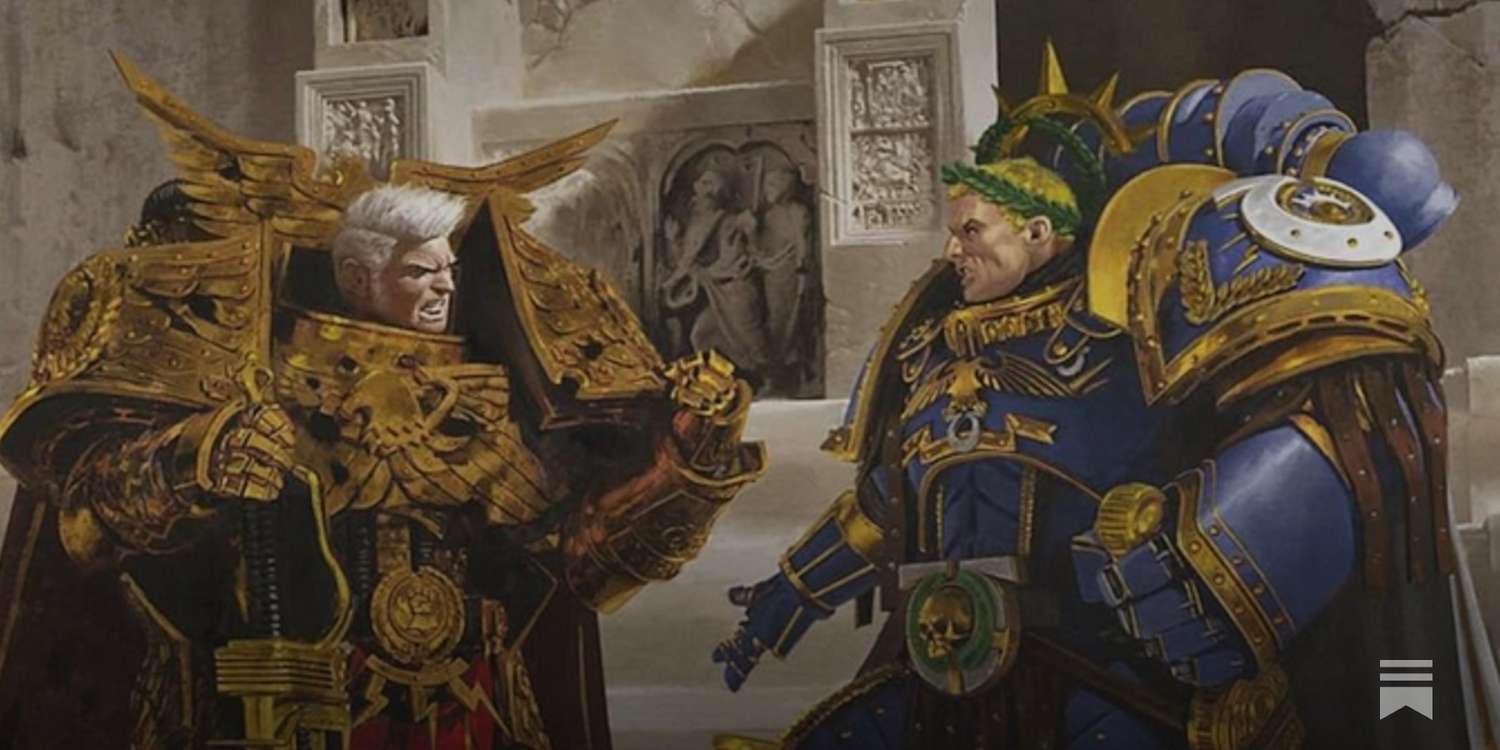
The Inquisitorial Mandate lies at the heart of Dark Heresy’s narrative power. The Inquisition possesses near-unlimited authority, operating beyond the law, accountable only to themselves. Their methods are brutal, their judgments absolute. As Acolytes, players are instruments of this terrifying power, forced to make impossible choices. Is an entire city worth sacrificing to prevent the spread of a minor cult? Is a radical Inquisitor’s potentially heretical approach justifiable if it saves more lives? The game constantly challenges players to confront these moral dilemmas, where there are no easy answers, only varying degrees of damnation. This psychological thriller game aspect keeps players on edge.
This moral ambiguity is where the game’s core theme — “the truth is what you say it is” — truly shines. An Inquisitor’s decree can turn a loyal servant into a heretic, or a dangerous xenos artifact into a holy relic. Players witness firsthand how narratives are constructed, truths are suppressed, and reality is shaped by power. This makes every campaign adventure a journey not just through space, but through the treacherous landscape of belief and perception within the grimdark universe. The deep integration of Games Workshop lore enriches every session, making it resonate profoundly with fans of the franchise.
The Legacy and Modern Relevance of a Grimdark Masterpiece
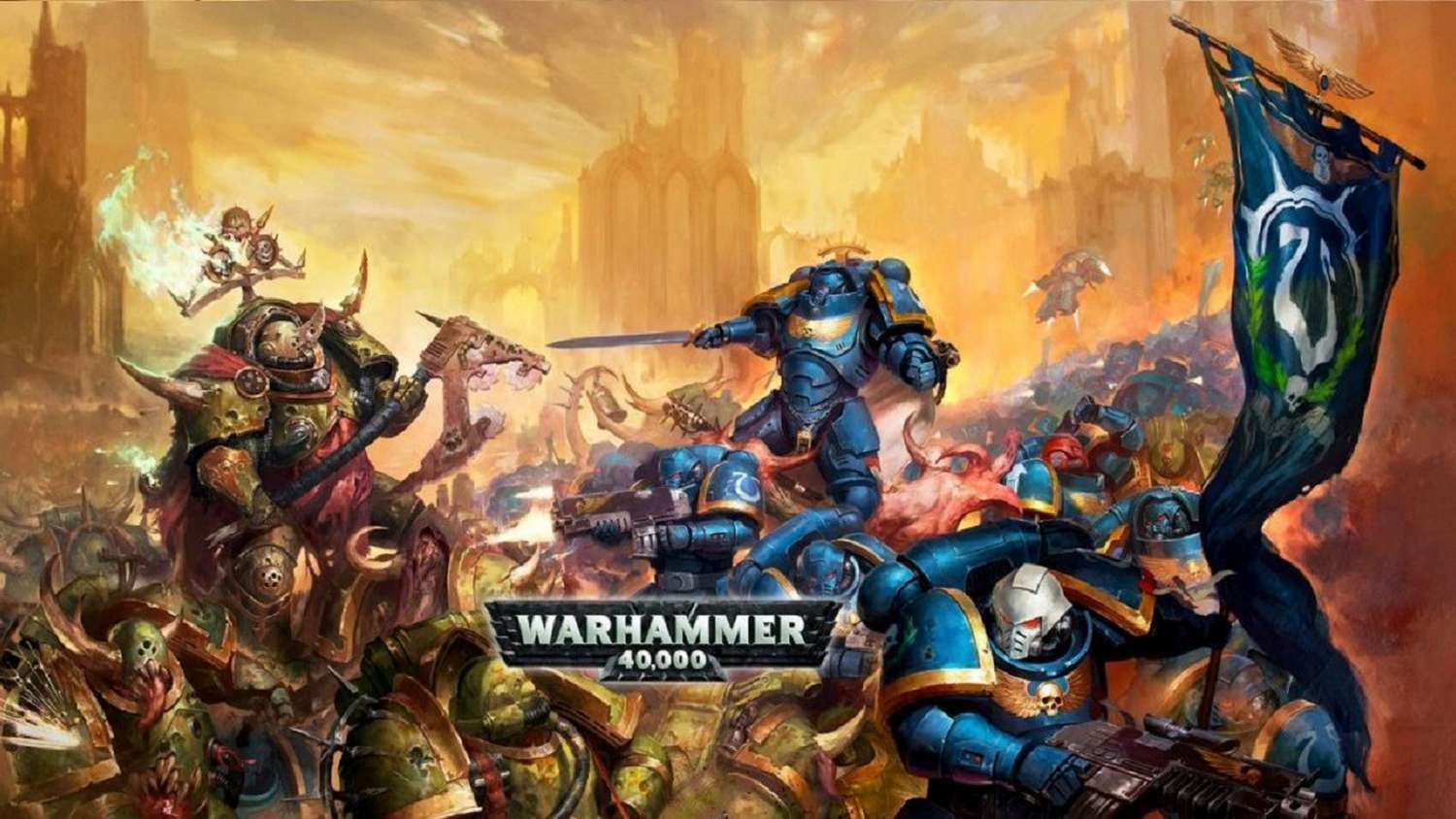
Despite the original Dark Heresy line concluding, its legacy endures. The game spawned several successful sequels and spiritual successors, including Rogue Trader, Deathwatch, Only War, and Wrath & Glory, each exploring different facets of the Warhammer 40,000 universe. However, many in the TTRPG community still view the first edition of Dark Heresy as the definitive grimdark roleplaying experience, setting the benchmark for narrative depth and thematic tension. The enduring popularity of this tabletop roleplaying masterpiece is a testament to its powerful design and compelling vision.
Today, Dark Heresy maintains a vibrant online community, with dedicated fans creating new content, sharing campaign guides, and preserving its unique essence. The demand for original Dark Heresy rulebooks and supplements remains high, indicating its status as a collectible RPG. For new players looking to buy TTRPGs that offer more than just combat, Dark Heresy represents a significant investment in a profound narrative experience. Its focus on psychological dread, moral compromise, and the subjective nature of truth ensures that it remains as relevant today as it was over a decade ago, continuing to captivate players with its unparalleled depth in a universe where the only constant is war, and the only truth is power.