
Demon Slayer: Unveiling Koyoharu Gotouge’s Reasons Behind Tanjiro Kamado’s Non-Hashira Status










Popular Now
Valorant
 Rust
Garena Free Fire: Kalahari
Rust
Garena Free Fire: Kalahari
 PUBG Mobile
 Gacha Club
 Toca Boca World
 Call of Duty
 Free Fire
 Warframe
 BeamNG.drive
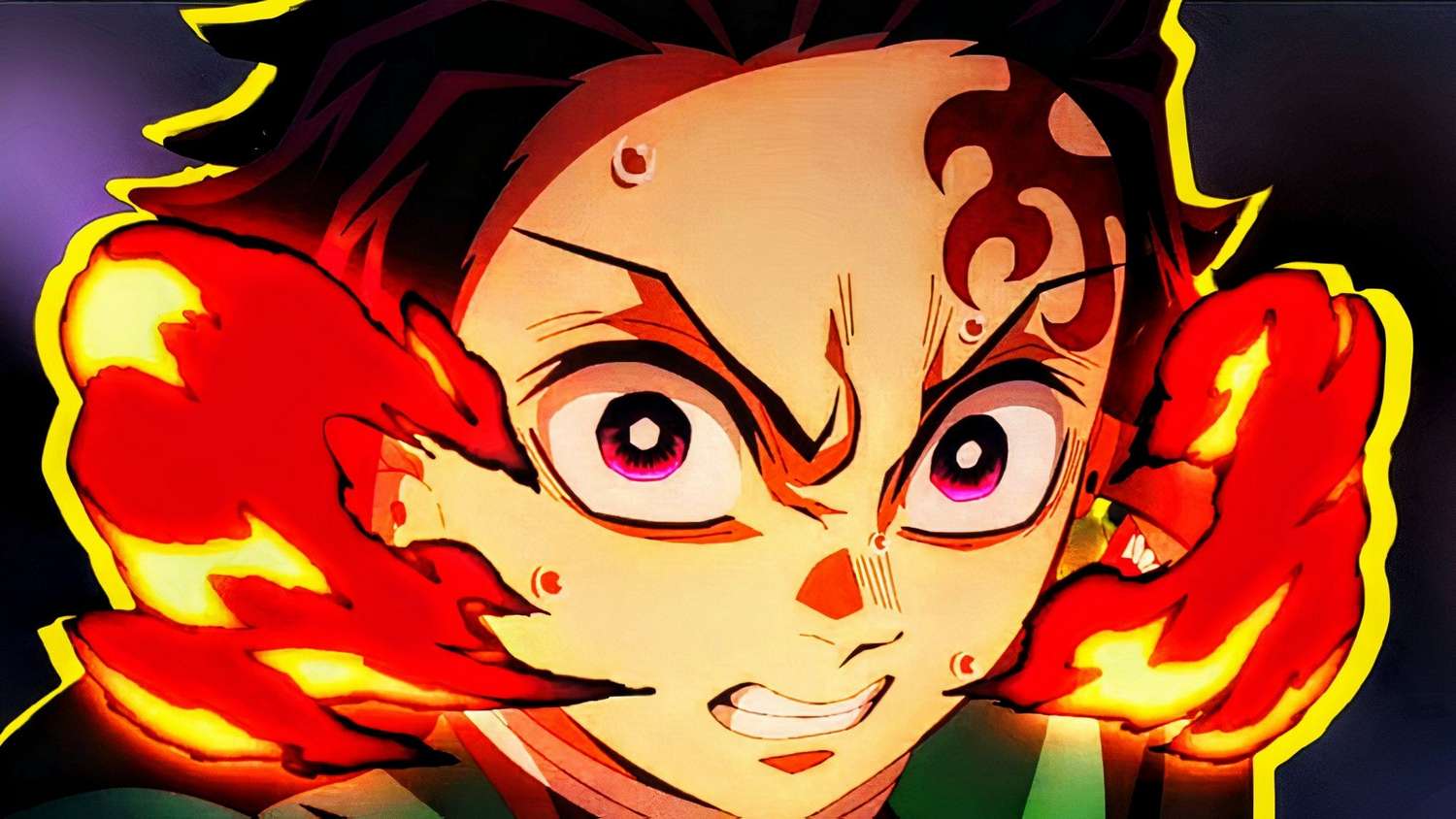
In the vibrant and often brutal world of Demon Slayer: Kimetsu no Yaiba, the rank of Hashira stands as the pinnacle of power, dedication, and leadership within the Demon Slayer Corps. These elite swordsmen are revered for their unmatched combat prowess, unwavering resolve, and profound mastery of unique breathing styles. Fans of the immensely popular Demon Slayer manga and anime series have long speculated about many narrative choices, but one recurring question has consistently captured the community’s attention: why did the protagonist, Tanjiro Kamado, despite his extraordinary achievements and pivotal role in defeating Muzan Kibutsuji, never officially achieve the esteemed rank of Hashira?
Recent insights, often attributed to the narrative intent and occasional commentary from the elusive author, Koyoharu Gotouge, shed light on this crucial aspect of Tanjiro’s character arc and the overarching themes of the series. This exploration delves into the underlying reasons, examining both explicit and implicit narrative cues that explain why Tanjiro’s path, though legendary, ultimately diverged from the traditional Hashira trajectory, offering a deeper understanding of Gotouge’s vision for the series’ conclusion.
What Defines a Hashira? The Apex of the Demon Slayer Corps
To fully grasp why Tanjiro’s exclusion from the Hashira ranks is significant, it’s essential to understand what the title truly entails. A Hashira is not merely a powerful fighter; they are pillars of the Demon Slayer Corps, responsible for protecting designated territories, leading missions, and mentoring lower-ranking slayers. Their responsibilities are immense, demanding not only incredible strength but also strategic acumen, leadership qualities, and an unyielding commitment to the cause of eradicating demons. The path to becoming a Hashira is notoriously arduous, typically requiring one to defeat fifty demons or a Twelve Kizuki member.
- Exceptional Combat Prowess: Mastery of a unique breathing style and unparalleled strength are baseline requirements.
- Strategic Leadership: Hashira often command operations and guide junior slayers.
- Demon Slayer Mark: While not mandatory for all, many Hashira manifest these marks, signifying immense power.
- Unwavering Dedication: A complete sacrifice of personal life for the mission to protect humanity.
Each Hashira represents a specific breathing style, pushing its limits and embodying its philosophy. Their prestige is immense, making their absence in the corps a noticeable void, particularly after the final battle.
Tanjiro Kamado’s Unprecedented Journey and Accomplishments
Tanjiro Kamado’s journey is one defined by relentless perseverance, incredible growth, and a compassionate heart. From a humble charcoal seller to the slayer who stood toe-to-toe with Muzan Kibutsuji, his progression is nothing short of miraculous. He mastered multiple breathing styles, including Water Breathing and the ancient, powerful Hinokami Kagura – the Sun Breathing, the original and most potent form. His dedication to curing his sister Nezuko and protecting humanity drove him to overcome seemingly insurmountable odds, developing unique abilities like his enhanced sense of smell, transparent world vision, and the Demon Slayer Mark.
Throughout the series, Tanjiro repeatedly proved his worth, participating in battles against upper-rank demons and contributing decisively to their defeat. His contributions to the final showdown against Muzan were invaluable, arguably more critical than any other individual slayer. He endured unimaginable pain and sacrifice, pushing his body and spirit to their absolute limits. Given these monumental achievements, the question of his Hashira status naturally arises, especially when considering his profound impact on the demon slayer world.
Koyoharu Gotouge’s Narrative Intent: Beyond the Rank
The primary reasons behind Tanjiro’s non-Hashira status, as inferred from Koyoharu Gotouge’s narrative choices and the overarching conclusion of the Demon Slayer series, are multi-faceted and deeply interwoven with the story’s ultimate themes. It wasn’t a matter of capability but rather the conclusion of the war and the profound personal toll it took on the characters.
- The Disbandment of the Demon Slayer Corps: The most straightforward reason is that the Demon Slayer Corps achieved its ultimate goal – the permanent eradication of all demons, including their progenitor, Muzan Kibutsuji. With no more demons to fight, the Corps, an organization built solely for that purpose, ceased to exist. There was simply no institution left to appoint new Hashira or maintain existing ranks. This decisive end to the millennium-long conflict rendered the traditional structure of the Corps obsolete.
- Severe Injuries and Physical Limitations: Tanjiro suffered catastrophic injuries during the final battle. He lost an arm, an eye, and sustained significant internal damage. While he miraculously recovered, a Hashira’s role demands peak physical condition, an attribute Tanjiro could no longer fully boast. His body, though resilient, bore the scars of war that would undoubtedly hinder the constant, brutal demands of a Hashira’s life. This brutal realism underscores the sacrifices made and provides a grounded explanation for his post-war trajectory.
- The Fulfillment of His Core Purpose: Tanjiro’s ultimate objective was never to ascend the ranks of the Demon Slayer Corps. His driving force was to cure Nezuko and avenge his family. Once Muzan was defeated and Nezuko returned to humanity, Tanjiro’s core mission was complete. His destiny transcended the need for a hierarchical title; his legacy was cemented by his actions, not a rank. Becoming a Hashira would have been a tangential pursuit, distracting from the personal resolution he earned.
- The Symbolism of Sun Breathing: Tanjiro was the inheritor and final practitioner of Sun Breathing, the ultimate breathing style. His role was more akin to a chosen one who brought about the end of an era rather than a traditional high-ranking officer. His abilities and spiritual connection to the progenitor of Sun Breathing placed him in a unique narrative position, one that surpassed the conventional structure of the Demon Slayer Corps. His power was in its originality and finality, not its placement within a system that was destined to conclude.
- A Return to Normalcy and Peace: After the unparalleled trauma and destruction, the prevailing theme of the series’ end is the desire for peace and a return to normal, domestic life. Tanjiro, alongside Nezuko and their surviving friends, sought a quiet existence, away from the bloodshed. This emphasis on human connection and the restoration of normalcy aligns perfectly with his character and the bittersweet ending of the series, where characters like Giyu Tomioka and Sanemi Shinazugawa also sought quieter lives after the war.
These narrative threads collectively reveal that Gotouge prioritized a conclusive ending that highlighted the triumph over evil and the characters’ well-deserved peace, rather than adhering to traditional power progression tropes. Tanjiro’s journey was about profound personal growth and sacrificial heroism, culminating in a world free from demons, where the need for a ‘Hashira’ no longer existed.
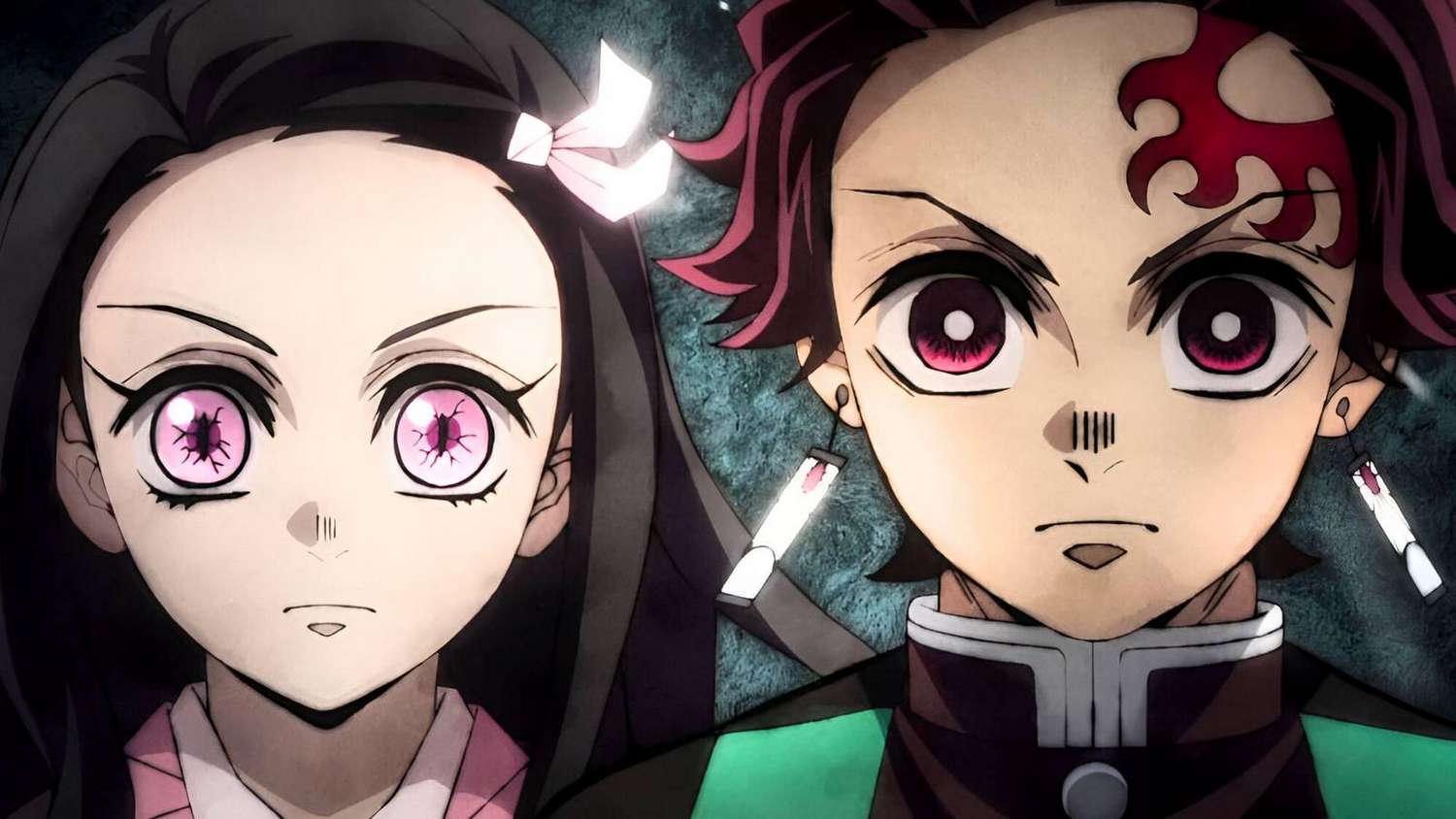 The Lingering Impact and Legacy of Tanjiro’s Path
Tanjiro Kamado’s journey to defeat Muzan Kibutsuji, devoid of the Hashira title, paradoxically elevates his legend. It underscores that true heroism is measured by impact and sacrifice, not merely by rank or position within a formal structure. His legacy is etched in the peace he helped secure and the lives he saved, rather than a sash or uniform. This narrative choice reinforces the themes of selflessness and the ephemeral nature of organizations once their purpose is fulfilled. The Demon Slayer Corps’ legacy lives on through the stories and memories of those who fought, not in a continuing lineage of Hashira.
This understanding provides immense value for fans seeking deeper insights into the series’ rich lore and character development. It allows for a more nuanced appreciation of Gotouge’s storytelling, demonstrating how even a protagonist’s ultimate power can exist outside conventional accolades, aligning with the very unique and impactful conclusion of one of the most significant anime and manga series of our time.
Conclusion: A Hero Defined Beyond Rank
In conclusion, Tanjiro Kamado never becoming a Hashira is not an oversight but a deliberate, powerful narrative decision by Koyoharu Gotouge. It is a testament to the series’ commitment to a definitive ending, the profound personal cost of war, and the idea that true heroism transcends titles. His path was one of unparalleled personal sacrifice and world-altering impact, culminating in the eradication of demons and the disbandment of the very organization that defined such ranks. Tanjiro’s legacy, therefore, is not found in a hierarchical position but in the enduring peace he helped usher in, a hero defined by his actions and his heart, rather than a badge of honor that ultimately became obsolete.